
Restoring and colorizing 1940s photos
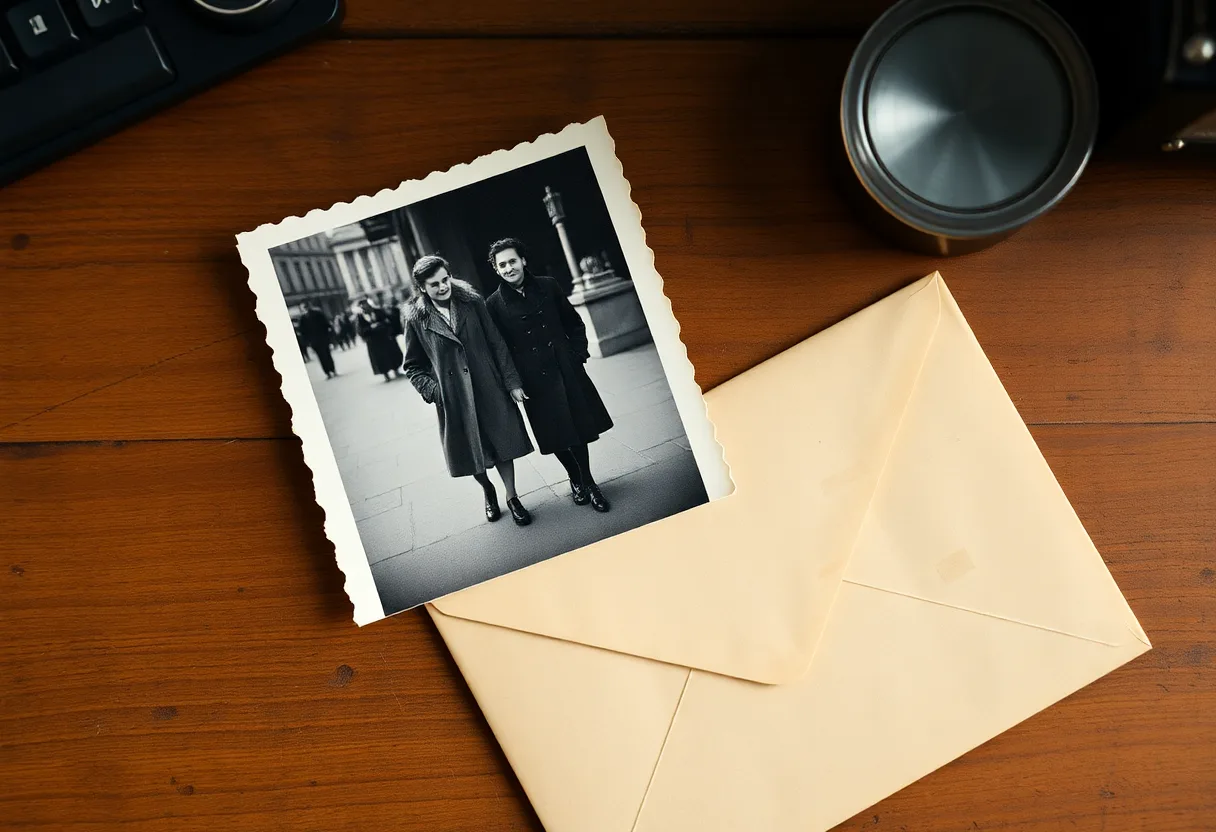
Family photos from the 1940s are mostly small black and white snapshots, taken when film was scarce, plus formal portraits for weddings and service. They are often creased from being posted and carried, and they colorize well once repaired.
How photos were made in the 1940s
Roll film and box cameras were still the household standard, but wartime shortages in many countries made film and paper scarce, so families took fewer pictures and printed them small, often with deckled edges. Studio portraits marked engagements, weddings and departures for service. Kodachrome slides and the first colour negative film existed, but colour remained rare in family albums until after the war.
How 1940s prints have aged
Snapshots of the decade travelled: in letters, wallets and kit bags. That means creases, worn corners and rubbed surfaces more than fading. Wartime paper was sometimes lower quality, so some prints have yellowed or silvered faster than older ones, and many survive only as copies made decades later.
Recognising a photo from the 1940s
- Small prints, often around 6 x 9 cm, with deckled white borders
- Uniforms in group and family photos, and utility-style clothing
- Writing on the back for a recipient far away: names, dates, “with love from”
Colour: restore it or colorize it?
Colorizers handle the decade’s civilian clothing and street scenes well. Uniforms are the risk: shades, insignia and ribbons are frequently wrong, so treat the colour as illustrative and check reference photos of the right service and country. Repair creases first, or the colorizer tints the damage along with the picture.
The tool for this decade is Colorize a black and white photo.
Questions
Why are so many 1940s photos so small?
Film and photographic paper were scarce during the war in many countries, so prints were usually made at contact size from the negative. Upscaling after restoration makes them large enough to frame.
Can AI colorize 1940s uniforms correctly?
Not reliably. It guesses plausible colours from grey tones, and uniform shades, badges and ribbons are often wrong. Use the result as an illustration and check reference photos if accuracy matters.
Going deeper
How to colorize black and white photos walks through the method step by step.